Water Tips
Why Does My Water Smell Like Rotten Eggs? A Simple Hot-or-Cold Test
A rotten egg smell usually means hydrogen sulfide gas. A quick hot-versus-cold faucet test tells you whether it's your water heater, your softener, your plumbing or the groundwater itself.
Key takeaways
- A rotten egg smell in water is usually hydrogen sulfide gas, which people can smell at very low levels.
- If only the hot water smells, the problem is most likely inside the water heater.
- If the cold water smells too, the source may be the softener, the plumbing, the well or the groundwater, and a simple faucet test helps narrow it down.
- Health departments say the smell usually isn't a sign of a sanitary problem, but well owners should still test for bacteria regularly.
You turn on the shower and get a whiff of rotten eggs. It's unpleasant, it's embarrassing when guests notice, and it makes you wonder what's going on with your water. The good news: the cause is usually easy to narrow down, and health officials say it typically isn't a sign of a sanitary problem.
What causes the smell
That rotten egg odor almost always comes from hydrogen sulfide gas. The Florida Department of Health notes that people can smell it in water at very low levels. According to the Minnesota Department of Health, it can come from:
- Natural decay and chemical reactions with soil and rock underground
- Sulfur bacteria living in groundwater, a well, or household plumbing
- Sulfur bacteria or chemical reactions inside a water heater
Pollution is a rare cause, which is why testing still matters, especially on a well.
The hot-or-cold faucet test
This is the single most useful thing you can do, and it costs nothing. The Minnesota Department of Health recommends it: after the water has sat unused for a few hours, run the cold and the hot water separately and notice which one smells.
- Only the hot water smells: the problem is most likely the water heater.
- The cold water smells, but a faucet that bypasses your softener doesn't: the problem is likely sulfur bacteria in the water softener.
- Unsoftened cold water smells at first, then fades after a few minutes: likely sulfur bacteria in the well or plumbing.
- Unsoftened cold water smells and the smell doesn't fade: likely hydrogen sulfide in the groundwater itself.
The Florida Department of Health adds that the smell is often stronger at hot faucets because heat helps the gas escape into the air.
If it's the water heater
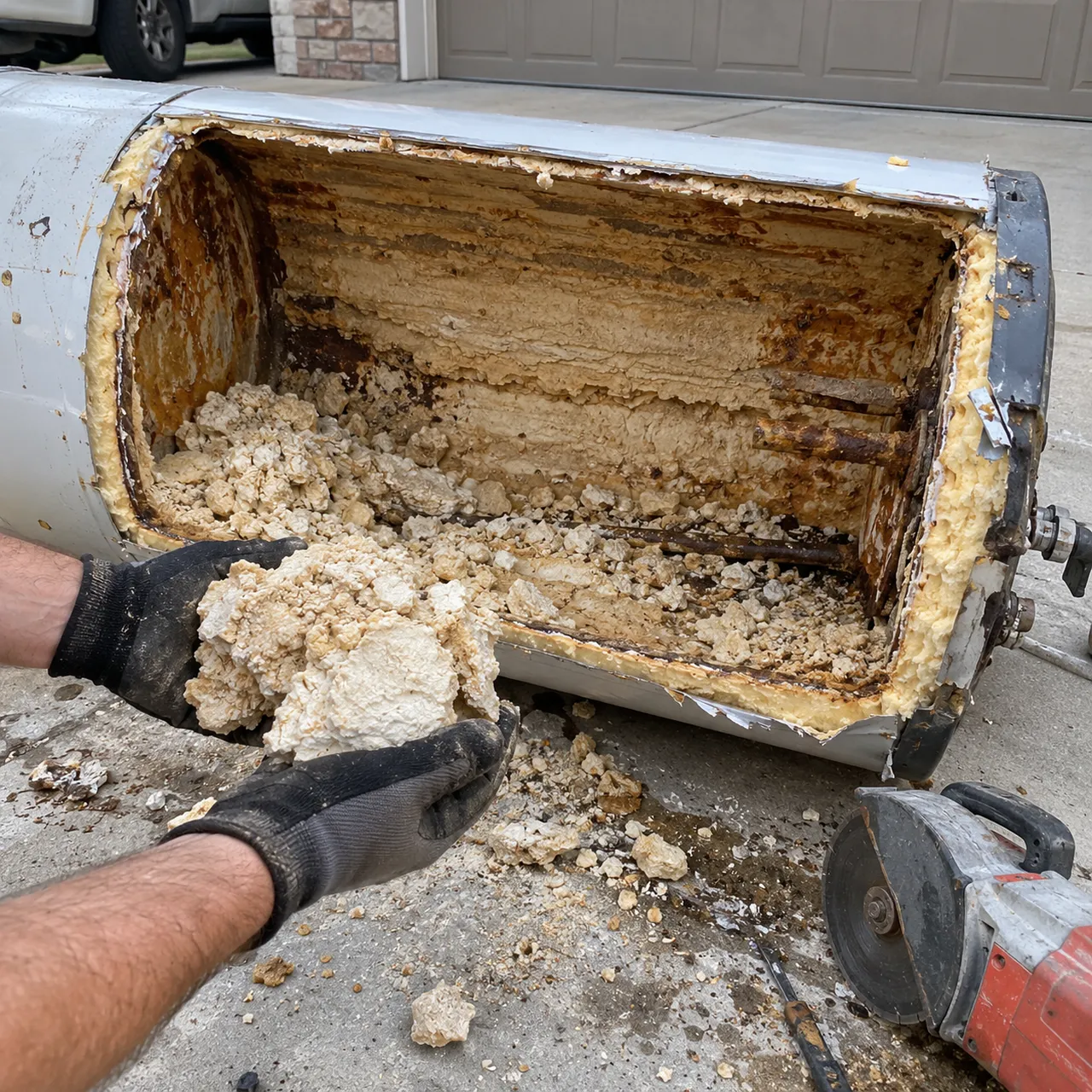
Water heaters have a metal rod inside, called an anode, that protects the tank from corrosion. Penn State Extension explains that a magnesium anode can chemically turn sulfates in the water into hydrogen sulfide, which is why the smell can show up in hot water only. Health officials say options include disinfecting and flushing the heater, or having the anode replaced with a different type. They also warn that removing the anode entirely can significantly shorten the heater's life, and that turning up the temperature is dangerous without guidance from the manufacturer.
Our advice is the same as theirs: unless you're very familiar with water heaters, have a licensed plumber handle it.
If it's the water softener
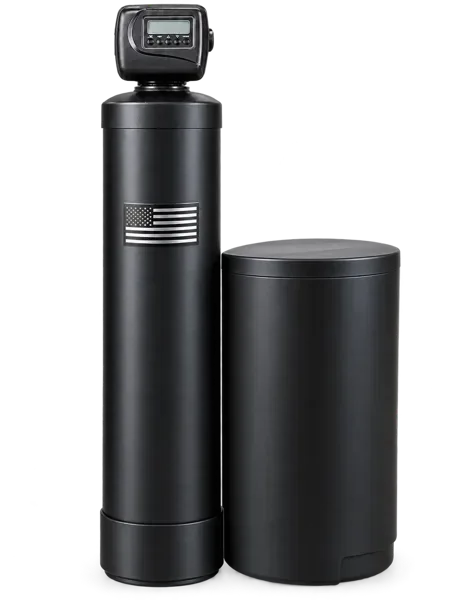
Bacteria can sometimes grow inside a softener. The fix is disinfecting the unit following the installer's or manufacturer's instructions. Please don't take apart the control valve or change the settings yourself. If you're one of our customers, call or text us and we'll walk you through it. If you're not sure your softener is working at all, our six quick softener checks are a good place to start.
If it's the well, plumbing or groundwater
Sulfur bacteria in a well or plumbing are usually handled by disinfecting with a strong chlorine solution, ideally with a licensed well contractor. When hydrogen sulfide is in the groundwater itself, treatment depends on how much is there. The Minnesota Department of Health lists options such as activated carbon filters for low levels, and filtration methods like aeration, oxidizing filters or continuous chlorination for higher levels. The right choice depends on a lab result, not a guess.
Is it safe?
Both health departments say the rotten egg smell usually doesn't indicate a sanitary problem, and sulfur bacteria themselves are not considered harmful. Two cautions, though:
- Because pollution is occasionally the source, Minnesota health officials suggest well owners test for coliform bacteria and nitrate to be safe.
- Florida health officials recommend testing private well water at least once a year.
If you're on city or county water and the smell is in your cold water too, call your water utility and let them know.
What about orange or brown stains?
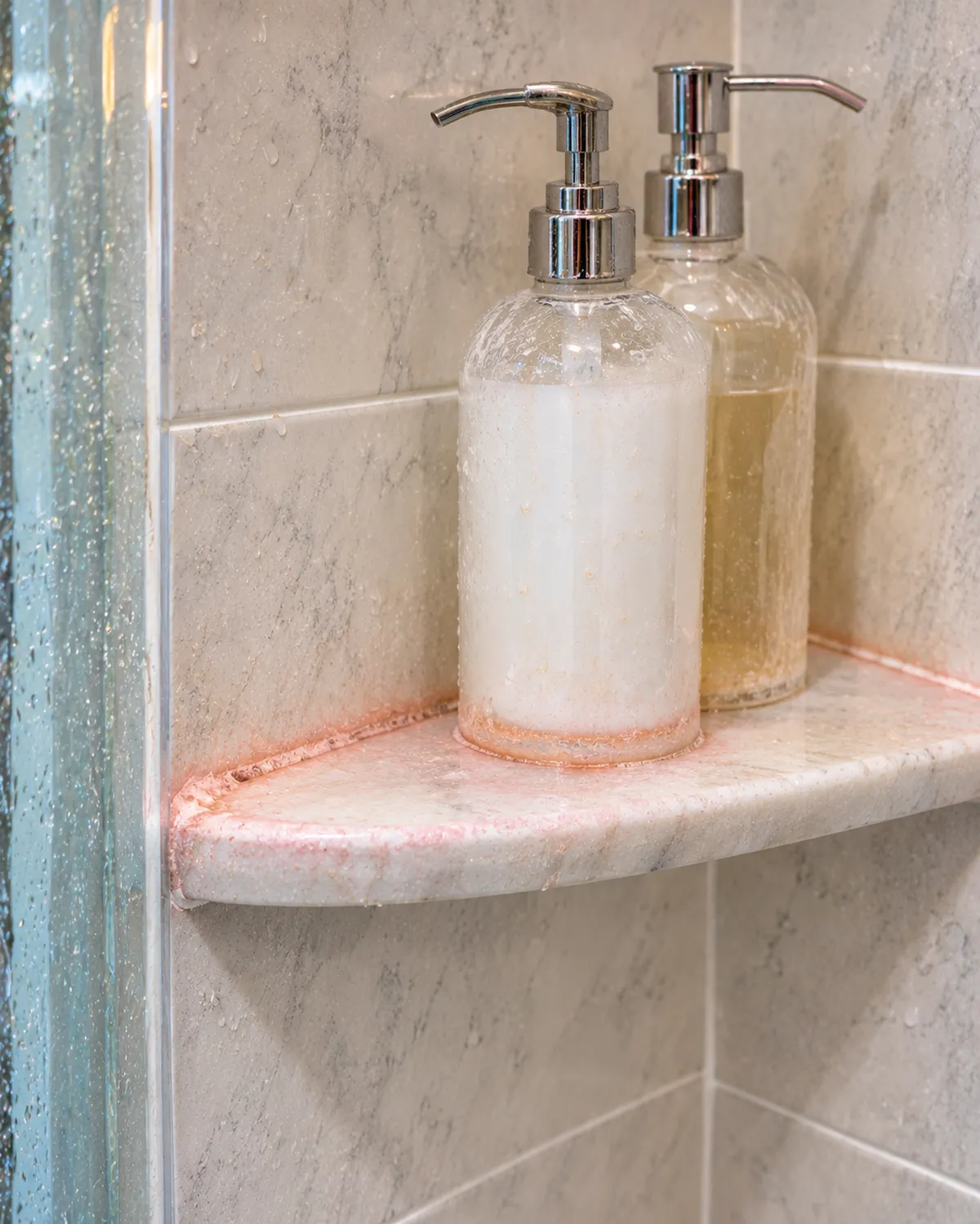
Wells that have sulfur smells sometimes have iron as well. The Florida Department of Health notes that iron bacteria can cause yellow, orange, red or brown stains and colored water, along with red slime in toilet tanks. If you see staining like that, mention it when you get your water tested. Our article on pink rings in the shower covers a different stain that people often mix up with iron.
Get a clear answer
A smell tells you something's there; a test tells you what. Our free in-home water test checks your raw water for hardness, chlorine or chloramine, pH and dissolved minerals, so you know where you stand before spending money on anything. Well owners should also use a certified lab for bacteria testing. If you'd like to talk through the results, or see how whole-home filtration works, call or text (727) 334-0333.
Frequently asked questions
Why does only my hot water smell like rotten eggs?
When only the hot water smells, health departments say the problem is most likely inside the water heater, often a reaction involving the tank's anode rod or bacteria in the heater. Have a licensed plumber look at it.
Is water that smells like rotten eggs safe to drink?
Health officials say the smell usually doesn't mean a sanitary problem, and sulfur bacteria aren't considered harmful. Well owners should still test for bacteria and nitrate, and test at least once a year.
Can a water softener cause a sulfur smell?
Yes. If softened cold water smells but unsoftened water doesn't, bacteria in the softener may be the cause. It should be disinfected following the installer's or manufacturer's instructions.
How do I get rid of a sulfur smell in well water?
It depends on the source. Bacteria in the well or plumbing are usually treated by disinfection. Hydrogen sulfide in the groundwater needs a treatment matched to a lab result, such as carbon filtration for low levels or oxidizing filtration for higher levels.
Sources
- Why Does My Water Smell Like Rotten Eggs? Hydrogen Sulfide and Sulfur Bacteria in Well Water, Minnesota Department of Health
- Well Water Facts: Odor and Staining, Florida Department of Health
- Hydrogen Sulfide (Rotten Egg Odor) in Water Wells, Penn State Extension
We check local facts against official sources such as utility water quality reports and government notices. Spot something out of date? Text us at (727) 334-0333 and we'll fix it.