Water Tips
Is Your Water Softener Working? 6 Quick Checks
Spots coming back? Soap not lathering? Here are six simple, hands-off checks to tell whether your water softener is doing its job, plus what not to touch.
Key takeaways
- The first signs of a softener problem are the same as hard water: spots, crust and poor lather coming back.
- Check the salt level and look for a salt bridge, a hard crust that keeps salt from dissolving.
- Make sure the bypass valve is in the service position and the valve display has power and the right time.
- Don't change the valve's programmed settings yourself. Call your installer instead.
A water softener works quietly in the background, so it's easy to forget about until the signs of hard water start creeping back. Here are six quick checks any homeowner can do, without tools and without touching the settings.
1. Notice the early warning signs
Your softener may need attention if you start seeing:
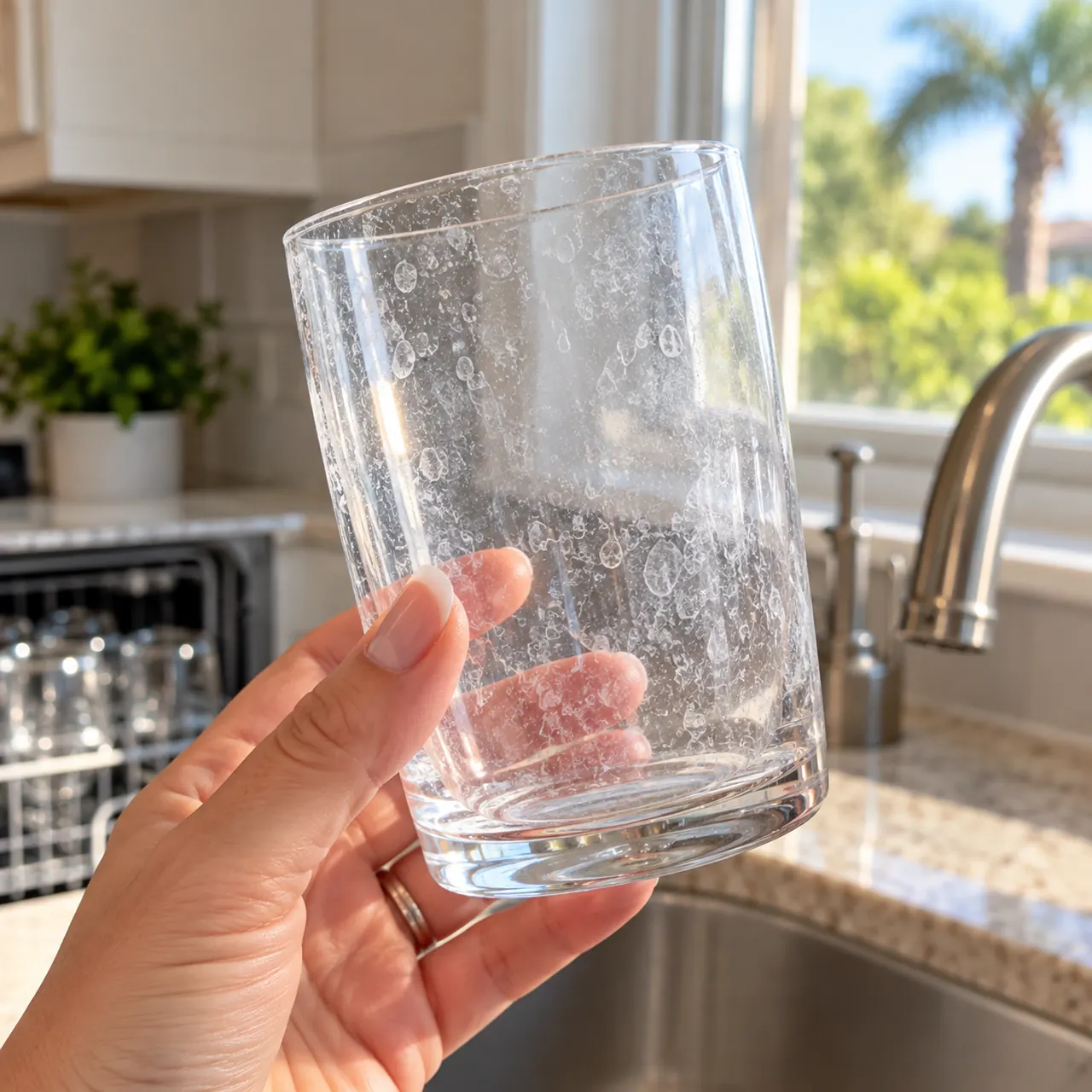
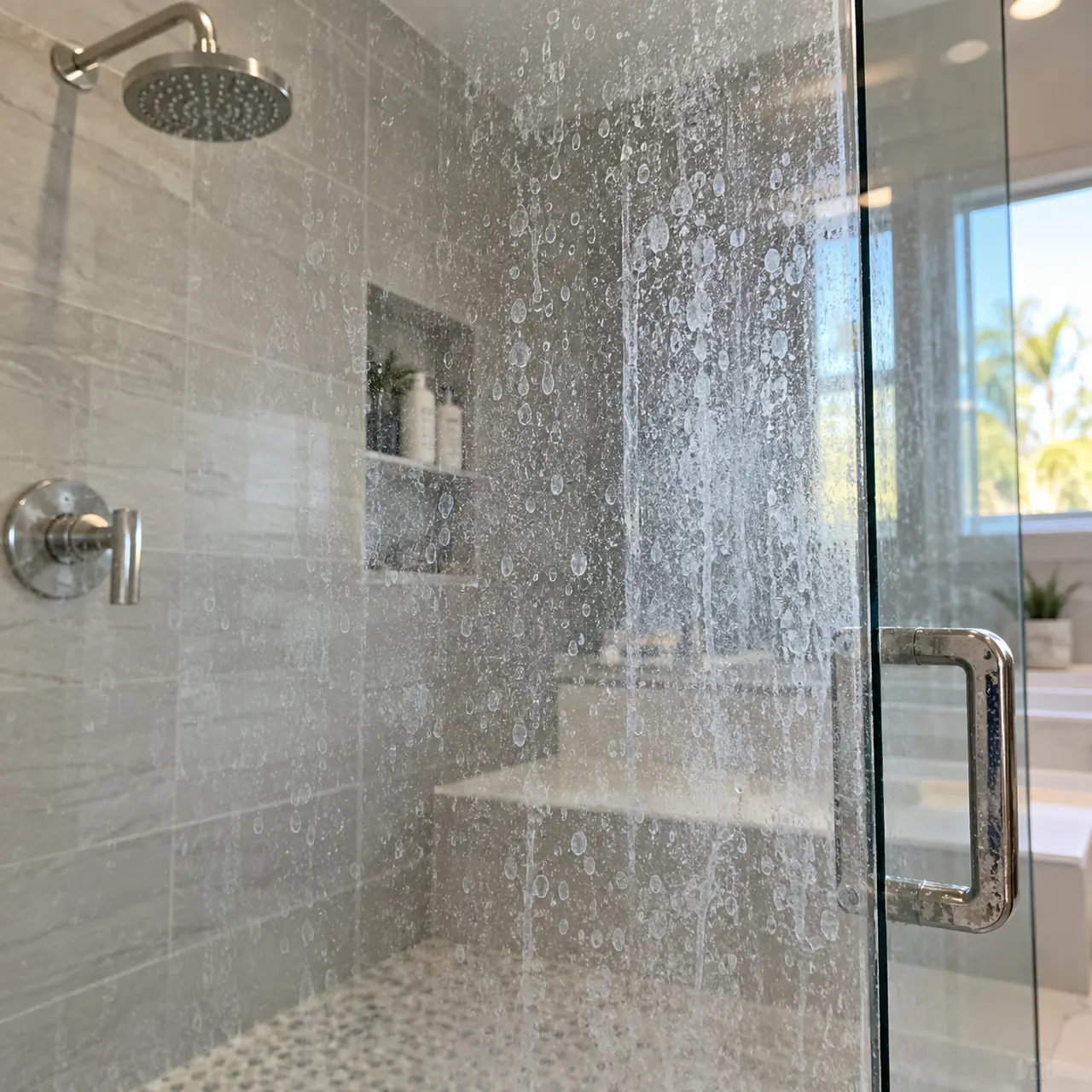
- Water spots on glasses and shower doors again
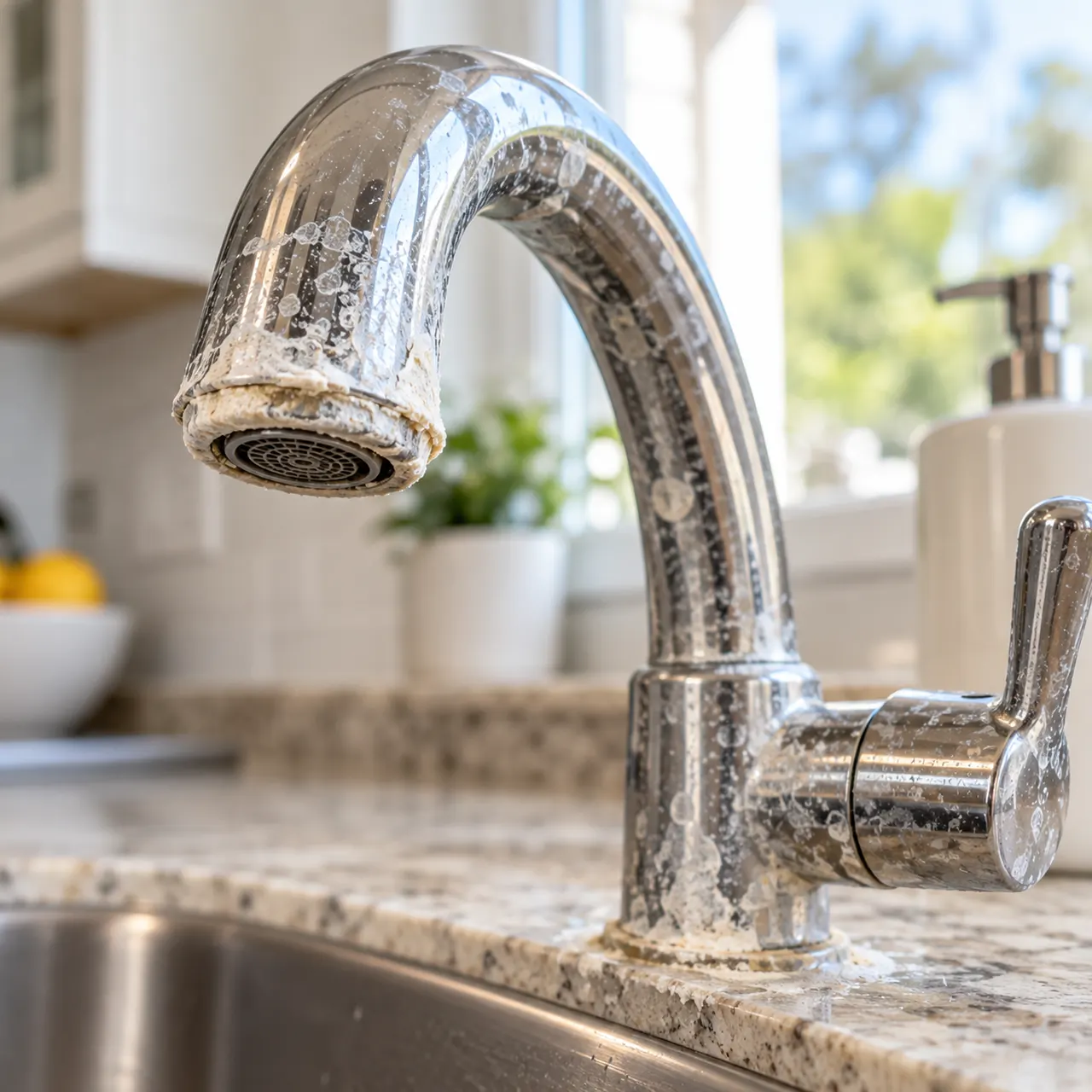
- White crust building up on faucets or showerheads
- Soap and shampoo that don't lather like they used to
- Water that feels different on your skin than it did after the softener was installed
2. Check the salt level
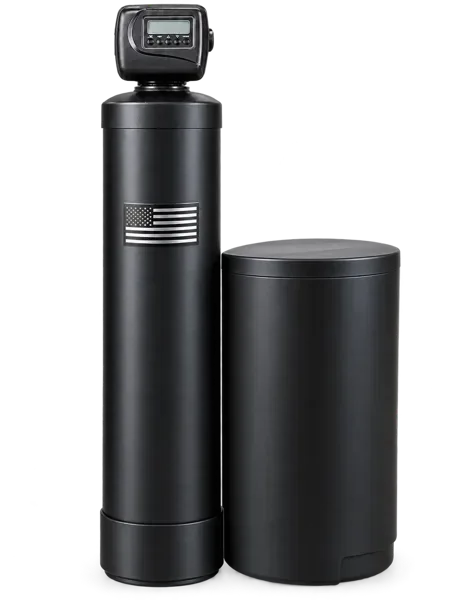
Lift the lid on the brine tank (the shorter tank). There should be salt in it, and the salt should be above the water level. If it's nearly empty, the softener can't regenerate properly, and hard water will slip through.
What kind of salt? We recommend evaporated salt pellets, because they're over 99% pure. Purer salt leaves less residue in the brine tank. Whatever you use, check your system's manual for the manufacturer's recommendation.
3. Look for a salt bridge
Florida humidity can cause salt to form a hard crust, called a salt bridge, above the water. The tank looks full, but the salt isn't actually touching the water, so no brine is made. If the salt level hasn't gone down in weeks, a bridge is a likely culprit.
To check, gently press down on the salt with a broom handle. If you hit a hard shell with an empty space beneath it, carefully tap it to break it up. Don't use anything sharp that could damage the tank.
4. Check the bypass valve
Most softeners have a bypass valve at the back of the control valve that sends water around the softener, for example during plumbing work. If it was turned to bypass and never turned back, your home is getting unsoftened water. Your manual shows which position is "service" (normal) and which is "bypass."
5. Check the display and power
Digital control valves need power. After a power outage or a tripped outlet, the display may be blank or show the wrong time. Since many softeners regenerate in the middle of the night, a wrong clock can mean regeneration happens at an inconvenient time. If the display is blank, check the outlet and plug.
6. Know what not to touch
This one is important. The control valve on your softener is programmed for your home's water hardness and household size. Please don't change those settings yourself. Changing the hardness setting, regeneration schedule or cycle times can make the softener use far more salt and water, or stop softening altogether, and it can take a service visit to put right.
If you've done the checks above and something still seems off, call the company that installed your system. FHWS customers can call or text us anytime at (727) 334-0333.
Keeping salt topped off
Many FHWS customers choose salt delivery so they don't have to think about it. On a delivery visit, we'll top your salt off: we make sure there's a bag in there, add an extra bag to the brine tank, or if it's full, we'll leave you one. Deliveries can be every 3, 6, 9 or 12 months, your choice.
Not sure your water needs a softener in the first place? Our free in-home water test measures your water's hardness so you can decide with real numbers. Learn more on our water softener installation page.
Frequently asked questions
How do I know if my water softener is working?
If hard water signs come back, such as spots on dishes, white crust on fixtures, or poor soap lather, the softener may need attention. Check the salt level, look for a salt bridge, confirm the bypass valve is in the service position, and make sure the display has power.
What is a salt bridge?
A hard crust of salt that forms above the water in the brine tank, often from humidity. The tank looks full, but the salt isn't dissolving, so the softener can't make brine to regenerate.
What salt should I use in my water softener?
We recommend evaporated salt pellets, because they're over 99% pure. Check your system's manual for the manufacturer's recommendation.
Should I adjust my water softener settings?
No. The valve is programmed for your water hardness and household. Changing settings can waste salt and water or stop softening. Call your installer if something seems wrong.
Sources
- Hardness of Water, U.S. Geological Survey
We check local facts against official sources such as utility water quality reports and government notices. Spot something out of date? Text us at (727) 334-0333 and we'll fix it.