Water Tips
Pink Ring in the Shower or Toilet? What It Is and How to Clean It
That pink or orange film around drains and toilet bowls is usually airborne bacteria, not your water supply. Here's what utilities say causes it, how to clean it and how to keep it away.
Key takeaways
- Pink or orange film in bathrooms is usually a common airborne bacterium, often Serratia marcescens, not a problem with the water supply.
- It thrives on moist surfaces and soap residue, like shower corners, drains and the toilet waterline.
- Regular cleaning followed by a bleach-based disinfectant, plus drying surfaces, is what utilities recommend.
- If reddish stains show up on every fixture in the house, ask about iron instead.
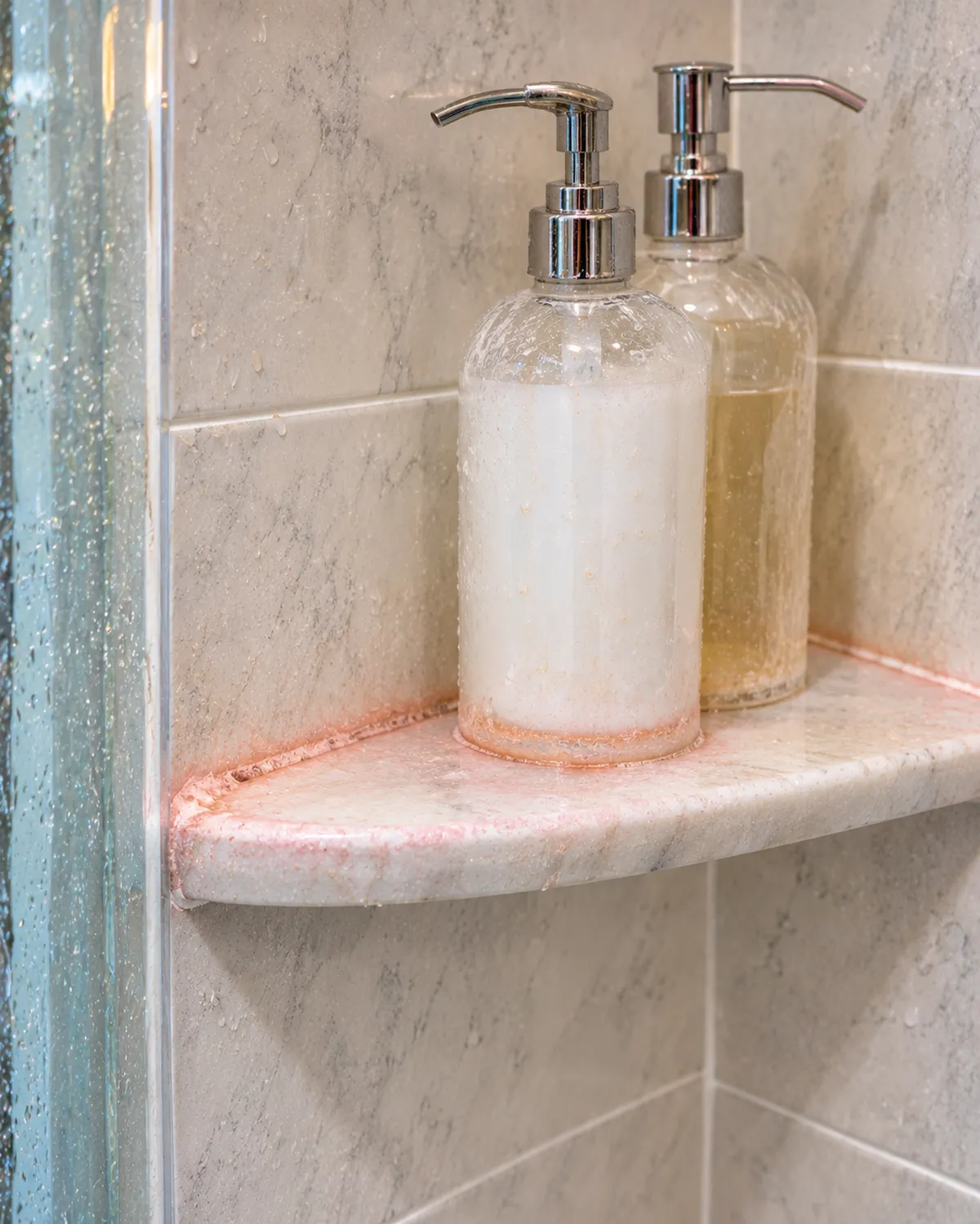
You scrub the shower and a week later a pinkish ring is back around the drain. Or there's a pink line at the toilet waterline. It's one of the most common bathroom mysteries, and the answer usually isn't your water.
What causes the pink film
Water utilities that field this question explain that the pink color usually comes from airborne bacteria, most often Serratia marcescens, which produces a reddish pigment. The bacteria are naturally present in the environment and settle on moist surfaces where they can feed on soap and shampoo residue. Several utilities say plainly that the residue is not a problem with water quality.
Where it shows up
- Shower corners, grout lines and around drains
- The toilet bowl waterline and tank
- Sink overflow holes and soap dishes
- Pet water bowls
Warm, humid bathrooms, which Florida has plenty of, are ideal for it.
How to clean it
- Scrub the film off with a brush and an all-purpose bathroom cleaner.
- Disinfect with a bleach-based cleaner, following the label. Don't mix bleach with other cleaners, especially ammonia or acids like vinegar.
- Rinse and dry the surface.
- For toilets, clean the bowl and add a bleach-based cleaner to the tank only if your toilet's manufacturer allows it.
Utilities note that once it's established, it can be hard to eliminate completely, so regular cleaning is the real fix.
How to keep it away
- Dry surfaces after showers with a squeegee or towel.
- Run the exhaust fan during and after showers.
- Rinse away soap residue and don't let shampoo bottles sit in standing water.
- Fix drips and leaks that keep surfaces wet.
A note on chlorine and filters
Some utilities point out that the bacteria don't survive in chlorinated water, and that filters which strip chlorine can make it easier for the film to grow on surfaces downstream. That doesn't mean you shouldn't filter. It means regular bathroom cleaning matters in every home, filtered or not.
When it might be iron instead
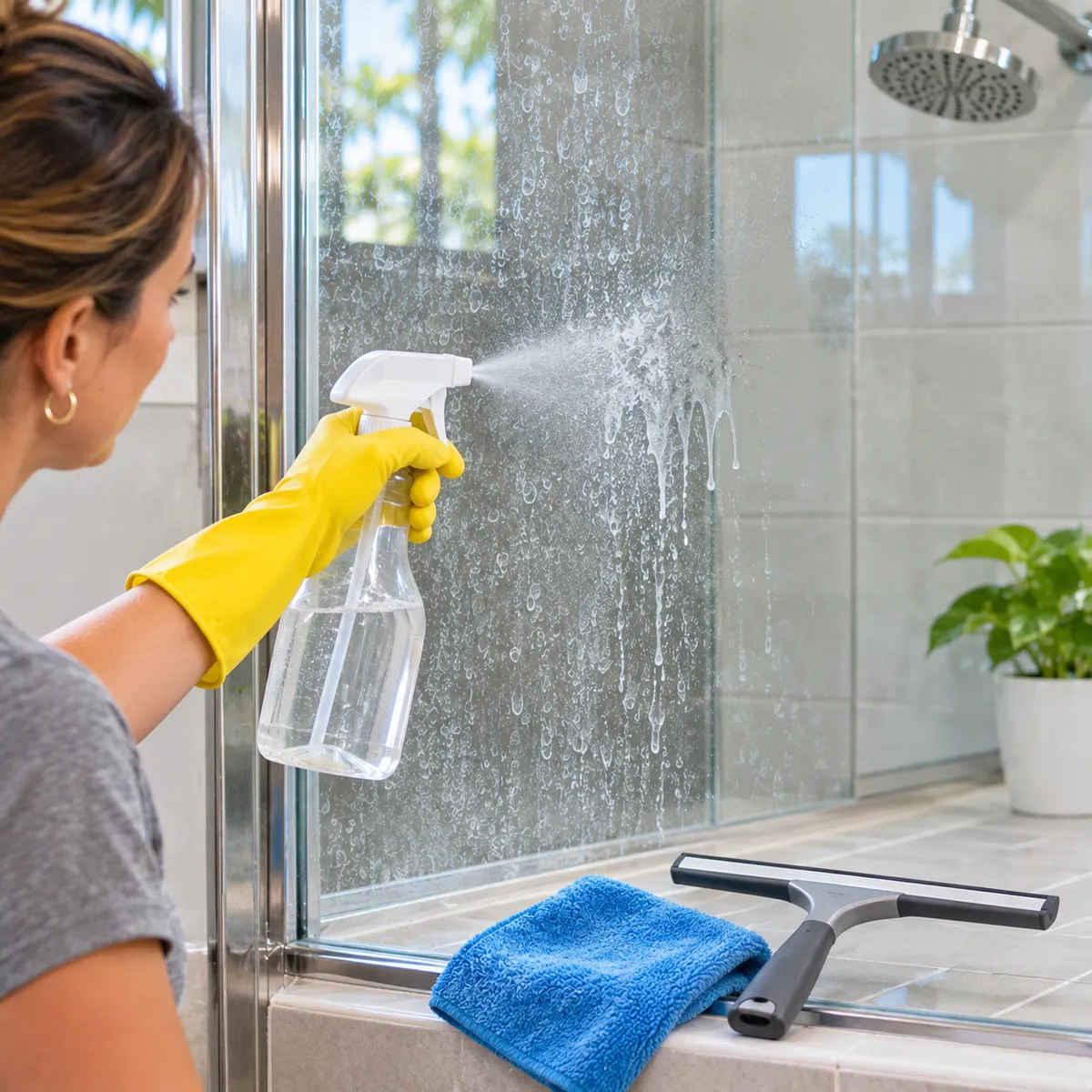
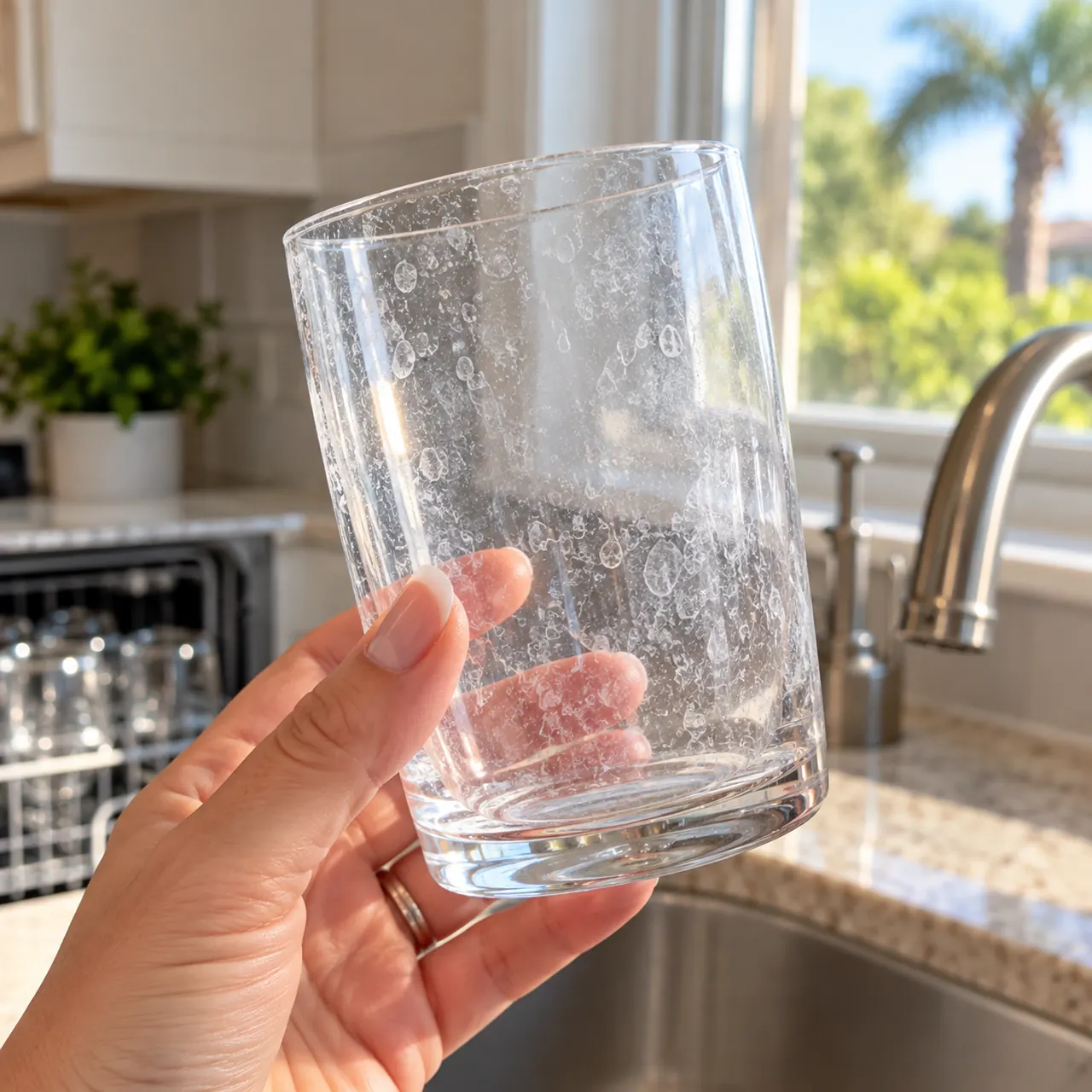
Iron leaves reddish-orange staining that tends to show up throughout the house, not just in one damp corner. If you see that pattern, especially on well water, a water test can tell you. Our free in-home water test checks your raw tap water. Also see how to remove hard water spots from shower glass and signs of hard water. Questions? Call or text (727) 334-0333 anytime.
Frequently asked questions
What causes the pink ring in my toilet?
Usually airborne bacteria, often Serratia marcescens, that grow on moist surfaces. Utilities say it is generally not a water quality problem.
How do I get rid of pink residue in the shower?
Scrub it off, disinfect with a bleach-based cleaner following the label, and keep surfaces dry. Never mix bleach with ammonia or acids.
Is the pink film in my bathroom from my water?
Generally no. It comes from bacteria in the air. Reddish stains on every fixture could be iron, which a water test can check.
Sources
- Pink residue (water quality FAQ), City of Norfolk Department of Utilities
- Pink residue notice, City of Conover, North Carolina
- Residue and Slime, City of Dubuque Water Department
We check local facts against official sources such as utility water quality reports and government notices. Spot something out of date? Text us at (727) 334-0333 and we'll fix it.