Water Tips
How Often Should You Test Your Well Water in Florida? What Health Officials Say
Florida health officials recommend testing private wells for bacteria and nitrate every year and for lead every three years. Here's what to test, when, and where to get it done in Tampa Bay.
Key takeaways
- The Florida Department of Health strongly recommends testing private wells for bacteria and nitrate at least once a year.
- The department says most homeowners should test for lead every three years.
- Your county health department can explain how to collect samples, and state-certified private labs also do testing.
- Hillsborough and Pinellas are among the counties with local rules requiring testing of newly built or repaired wells.
If your home is on a private well, you're in charge of your own water quality. There's no utility testing it for you or mailing an annual report. That can feel like a lot of responsibility, but the basics are simple once you know what Florida's health officials recommend.
The short answer: every year
The Florida Department of Health says it strongly recommends that you test your water for bacteria and nitrate at least once per year. Its FAQ repeats the point: homeowners should test for coliform bacteria and nitrates every year.
For lead, the department says most homeowners should test every three years.
A simple way to remember it: pick a date you already notice each year, like the start of hurricane season or a birthday, and make that your well-testing day.
What each test looks for
The U.S. Centers for Disease Control and Prevention (CDC) explains what these tests are for:
- Coliform bacteria: an indicator test. The CDC says that if the total coliform count is high, it's likely that harmful germs may also be present.
- Nitrate: the CDC says nitrates in well water can come from animal waste, septic systems, wastewater, flooded sewers, fertilizer and farm runoff.
- Lead: the CDC notes that heavy metals like lead can leak out of damaged pipes into the water.
The CDC also suggests testing pH and total dissolved solids each year, along with bacteria and nitrates.
The department adds that other tests may be useful depending on the location, depth and condition of your well, and that your local health department may recommend more. In some counties, testing for naturally occurring radiological contaminants may also be recommended.
Other times to test
- Buying or selling a home. Florida doesn't require well sampling for home sales, but the department's general recommendation is to test for coliform bacteria, nitrates and lead.
- New wells and repairs. Some counties have local rules requiring testing of newly constructed or repaired wells. The department's list includes Hillsborough and Pinellas counties, among others.
- After flooding. The department publishes a separate brochure on what to do if your well is flooded. After a storm, it's a good time to test. Our hurricane season water prep checklist covers well owners too.
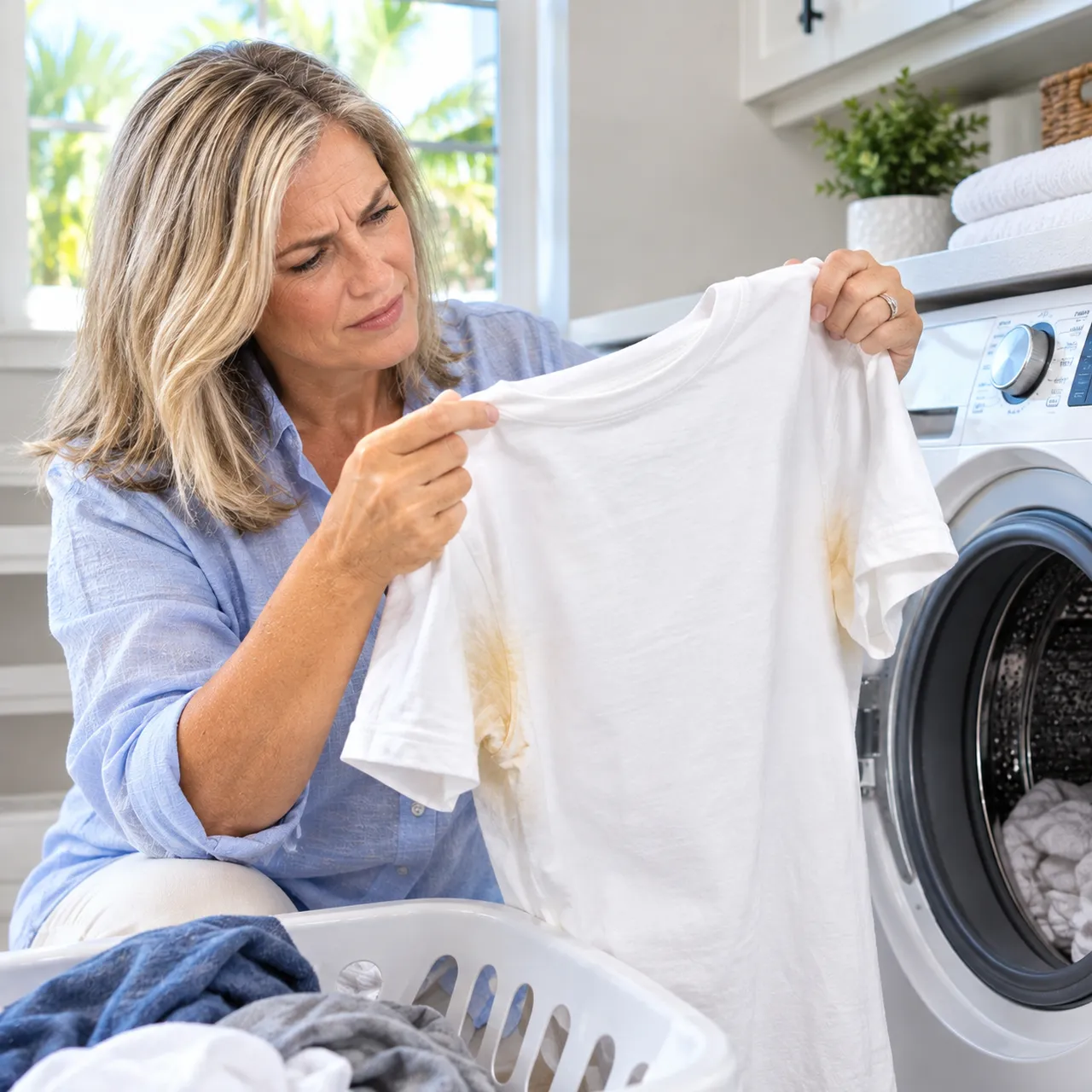
- When something changes. A new smell, taste, color or staining is worth a test. Our articles on rotten egg smells and rust stains on laundry explain two common well water changes.
Where to get your well tested
According to the Florida Department of Health:
- Your county health department can give you instructions for collecting the samples yourself. Staff can also come collect samples at your home for an additional fee.
- Private state-certified laboratories also do water testing.
- The Florida Department of Environmental Protection keeps a database of certified laboratories.
Follow the lab's or health department's collection instructions exactly.
How our free test fits in
We want to be clear about this. Our free in-home water test checks your raw water for hardness, chlorine or chloramine, pH and dissolved minerals. That covers the pH and dissolved minerals the CDC suggests checking yearly, and helps explain things like scale, spots, stiff laundry and taste. It is not a bacteria, nitrate or lead test, so it doesn't replace the yearly lab testing the health department recommends.
Many well owners do both: a certified lab for the health-related tests, and a hardness and mineral check to understand the everyday nuisances. If you're on a well in the Tampa Bay area and want to talk it through, call or text (727) 334-0333. You can also see the areas we serve.
A quick well-owner checklist
- Test for coliform bacteria and nitrate every year.
- Test for lead every three years.
- Test again after flooding, repairs, or any change in smell, taste or color.
- Keep your results in one folder so you can spot changes over time.
- Remember that watering restrictions apply to wells too. See our guide to watering restrictions through March 2027.
Frequently asked questions
How often should I test my well water in Florida?
The Florida Department of Health strongly recommends testing for bacteria and nitrate at least once a year, and says most homeowners should test for lead every three years.
Where can I get my well water tested in Tampa Bay?
Your county health department can explain how to collect samples, or collect them for an extra fee. State-certified private labs also test water, and the Florida DEP keeps a database of certified labs.
Is well testing required when I sell my house in Florida?
Florida doesn't require well sampling for home sales. The health department's general recommendation for buyers and sellers is to test for coliform bacteria, nitrates and lead.
Does your free water test check for bacteria?
No. Our free in-home test checks raw water for hardness, chlorine or chloramine, pH and dissolved minerals. Use a certified lab or your county health department for bacteria, nitrate and lead testing.
Sources
- Private Well Testing, Florida Department of Health
- Guidelines for Testing Well Water, U.S. Centers for Disease Control and Prevention
We check local facts against official sources such as utility water quality reports and government notices. Spot something out of date? Text us at (727) 334-0333 and we'll fix it.