Water Tips
Hurricane Season Water Checklist for Tampa Bay Homes
How much drinking water to store, how to store it, and what to do with your water heater, well or treatment system before and after a storm. A practical checklist for Tampa Bay families.
Key takeaways
- Federal and local guidance: store at least one gallon of water per person per day, for at least three days. Many Florida counties suggest planning for up to a week.
- Plan extra for pets, hot weather, nursing mothers, children and anyone who is sick.
- Your water heater tank holds a reserve of usable water if you know how to get it out safely.
- After a storm, watch for boil water notices, and have a private well tested if floodwater covered the wellhead.
Atlantic hurricane season runs from June 1 through November 30. Even when a storm misses Tampa Bay, power outages and water main breaks can interrupt your water for days. A little preparation goes a long way.
How much drinking water to store
FEMA and Ready.gov recommend storing at least one gallon of water per person per day, with at least a three-day supply. FEMA's hurricane guidance has suggested a two-week supply for sheltering at home, and Miami-Dade County advises planning for three to seven days.
A quick way to figure it out:
People × days × 1 gallon. A family of four planning for seven days needs 28 gallons, plus extra for pets.
Plan for more if anyone in your home is nursing, very young, elderly or sick, and remember that Florida heat increases how much everyone needs. Some local guidance suggests planning about one gallon per pet per day.
How to store it
- Store-bought sealed water is the simplest option. Keep it in its original container until you need it.
- Filling your own containers? Use clean, food-grade containers with tight caps. Avoid milk jugs, which break down and are hard to clean.
- Keep water in a cool, dark place away from direct sunlight and away from chemicals like gasoline or pesticides.
- Some counties advise filling extra containers when a hurricane watch or warning is announced, so the water is fresh.
- Fill bathtubs before a storm for non-drinking uses like flushing toilets.
Your water heater is a backup reserve
A tank-style water heater holds 40 to 80 gallons of water that can be used in an emergency. If you need it: turn off the power or gas to the heater first, close the cold water supply valve, open a hot water faucet in the house to let air in, then drain from the valve at the bottom of the tank into a clean container. Let the water cool. Sediment at the bottom is normal; let it settle and don't drink the first cloudy water. Don't turn the heater back on until the tank is full again.
If you have a water treatment system
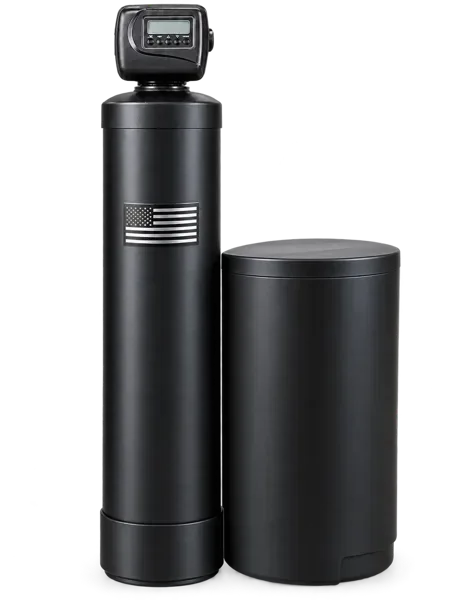
- Softeners and filters don't need special prep for most storms. If the power goes out, a digital valve may lose its clock or pause regeneration; it will usually resume when power returns. Don't change valve settings yourself. If anything looks wrong afterward, run through our softener quick checks or call your installer.
- If the area floods and water reaches your equipment, don't use it until it's been checked.
- After a boil water notice is lifted, follow the flushing steps in our boil water notice guide, including replacing drinking water filter cartridges.
If you're on a private well
Much of rural Hillsborough, Pasco and Polk counties is on private wells. If floodwater covered your wellhead, assume the water is contaminated until tested. The Florida Department of Health and your county health department provide guidance on disinfecting and testing private wells after flooding.
After the storm
- Watch your utility's website and local news for boil water notices.
- If water looks cloudy or discolored, or smells unusual, use stored water and contact your utility.
- Rotate stored water you didn't use. Store-bought water can be kept until its date; replace self-filled containers about every six months.
FHWS customers can call or text us anytime at (727) 334-0333 with questions about their system before or after a storm.
Frequently asked questions
How much water should I store for a hurricane in Florida?
At least one gallon per person per day for at least three days, according to FEMA and Ready.gov. Many Florida counties suggest planning for up to seven days, plus extra for pets and hot weather.
Can I drink the water in my water heater in an emergency?
A tank water heater holds a reserve of water that can be used in an emergency. Turn off its power or gas first, close the cold supply valve, open a hot tap to let air in, then drain from the bottom valve and let the water cool before using it.
When does hurricane season end?
The Atlantic hurricane season runs from June 1 through November 30.
Should I test my well after a hurricane?
Yes, if floodwater covered or reached your wellhead. Treat the water as unsafe until it has been disinfected and tested, following Florida Department of Health guidance.
Sources
- Prepare Drinking Water, Miami-Dade County
- FEMA hurricane preparedness release (one gallon per person, per day), FEMA
- Water: emergency supply guidance, Ready.gov
- Get prepared during National Preparedness Month, American Water Works Association (DrinkTap)
We check local facts against official sources such as utility water quality reports and government notices. Spot something out of date? Text us at (727) 334-0333 and we'll fix it.