Water Tips
Why Are My Towels Stiff and Scratchy? How Hard Water Affects Laundry
Stiff towels and dingy whites are often a hard water problem, not a detergent problem. Here's why it happens, what you can try today, and how to find out how hard your water is.
Key takeaways
- Calcium and magnesium in hard water react with soap and detergent, leaving a film that can make fabric feel stiff and look gray.
- The U.S. Geological Survey says hard water takes more soap or detergent to get things clean and can shorten the life of fabrics.
- Short-term fixes include using the right amount of detergent, rewashing grayed whites with a laundry water conditioner, and skipping extra fabric softener.
- A simple hardness number tells you whether the water is the real cause.
You buy nice, fluffy towels. A few months later they feel like sandpaper, even though you wash them the same way every week. Many Tampa Bay homeowners blame the detergent or the dryer. Often the real cause is what's coming out of the tap: hard water.
What "hard water" actually means
Hard water is water with a lot of dissolved calcium and magnesium. The U.S. Geological Survey (USGS) says hardness is caused by compounds of calcium and magnesium, along with some other metals. USGS groups water like this, measured in milligrams per liter (mg/L) as calcium carbonate:
- 0 to 60 mg/L: soft
- 61 to 120 mg/L: moderately hard
- 121 to 180 mg/L: hard
- More than 180 mg/L: very hard
USGS also notes that hardness is not a health concern. It's a nuisance, and laundry is one of the places you feel it most. If you'd like to know where your area falls, our guide to hard water in Tampa Bay covers the common signs.
Why hard water makes towels stiff
Soap and detergent are designed to grab dirt and rinse away. In hard water, part of that cleaning power gets used up reacting with minerals instead. According to USGS, soap reacts with the calcium in hard water to form "soap scum," and more soap or detergent is needed to get things clean, including your laundry.
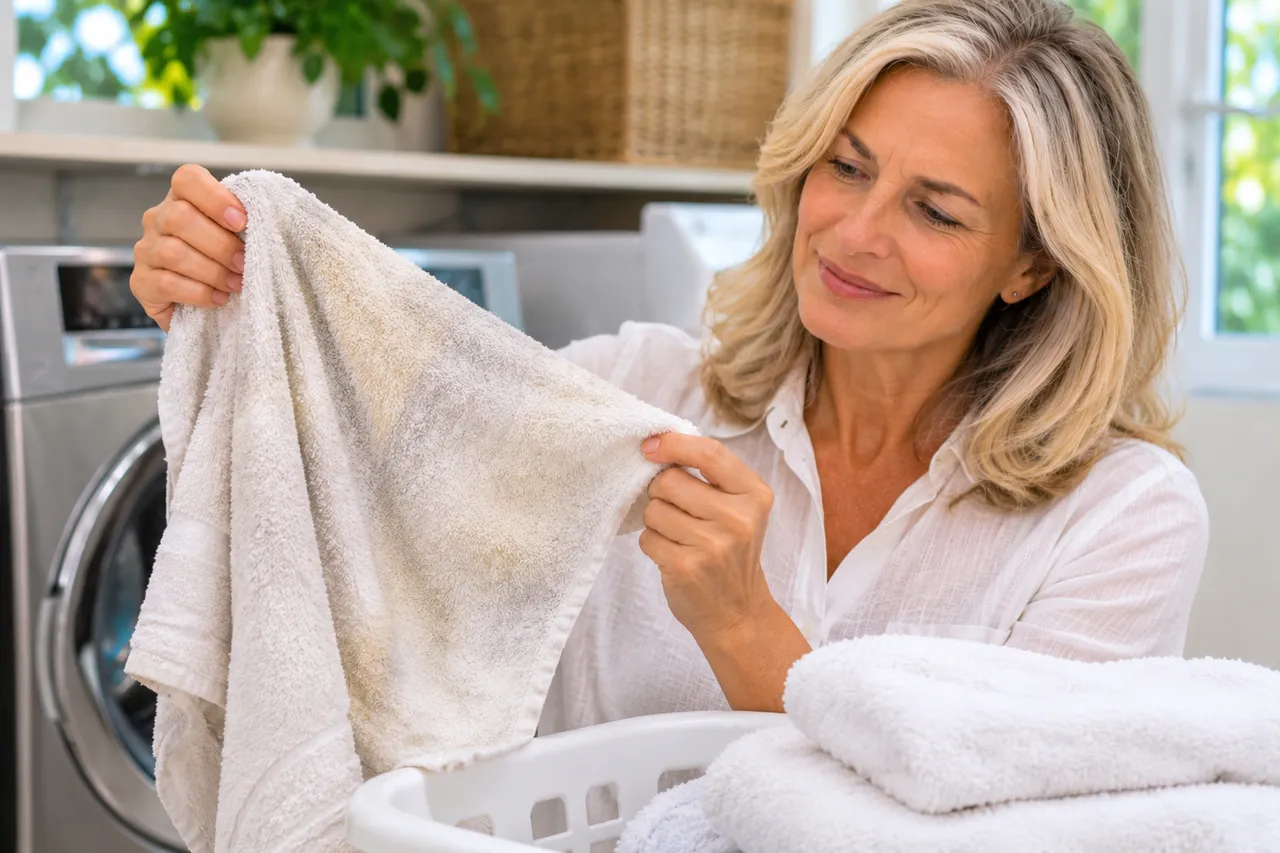
New Mexico State University's extension service explains it the same way: minerals in hard water combine with soap to form a scum that causes laundry problems, and that scum can turn clothes gray. When that film builds up in the loops of a towel, the fibers can't fluff up the way they did when the towel was new. The result is a towel that feels stiff, absorbs less and looks dull.
USGS goes a step further and says hard water can even shorten the life of fabrics and clothes.
Signs your laundry problem is really a water problem
- Towels feel stiff or scratchy, even right out of the dryer
- White shirts and sheets slowly turn gray or dingy
- You need more detergent than the bottle suggests to get a clean feel
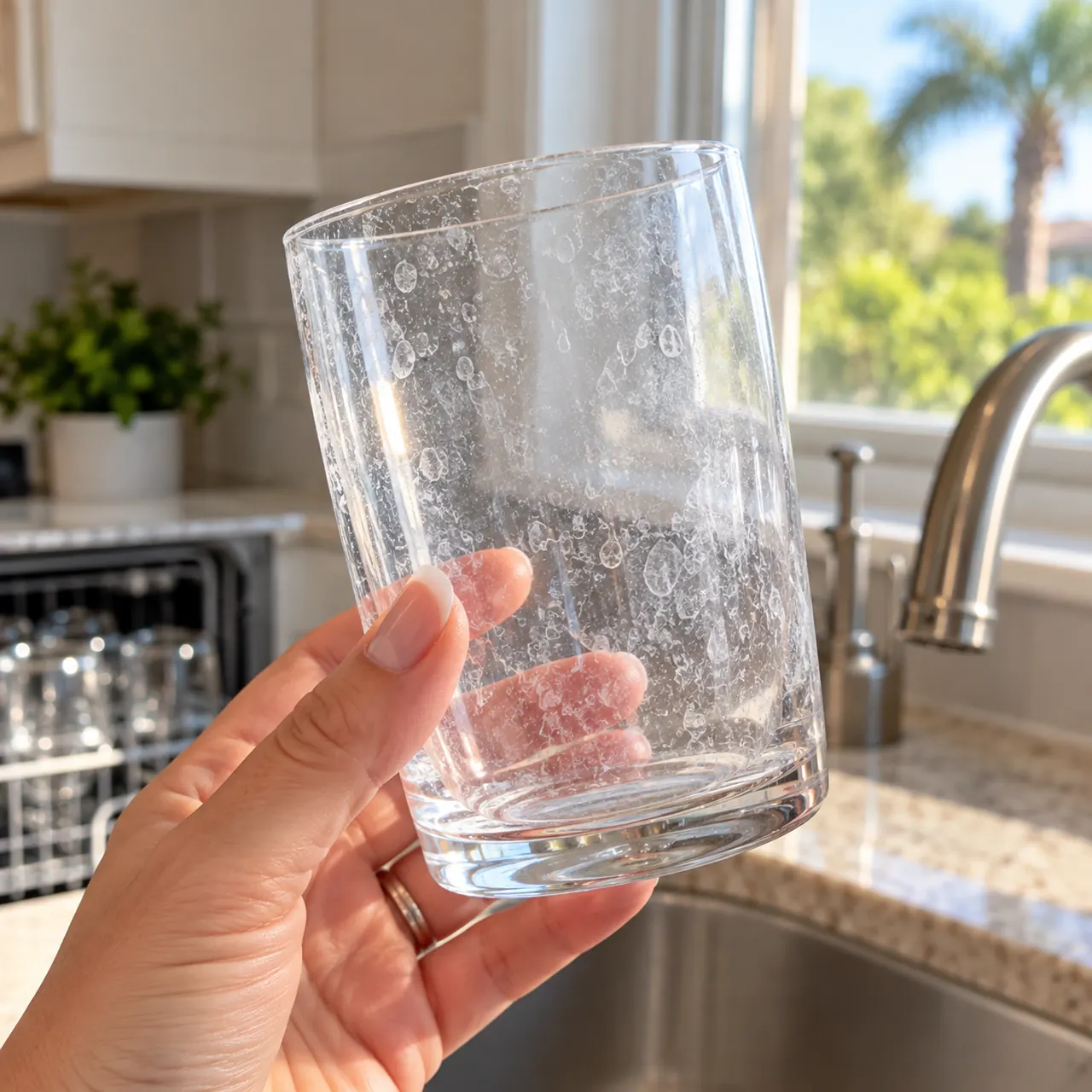
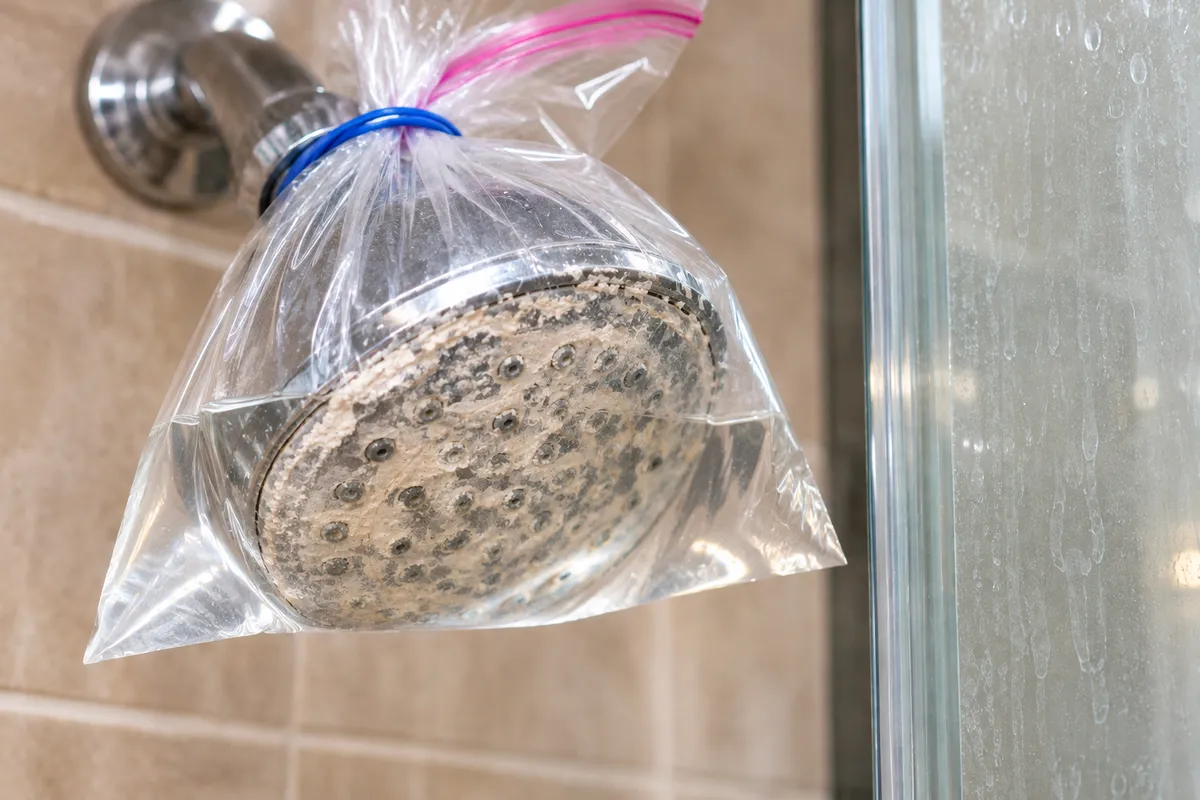
- You also see white spots on glasses or crust on faucets and showerheads
If you're seeing several of these at once, hardness is a likely suspect. White crust in the bathroom is a classic companion sign; our article on cleaning white crust off faucets and showerheads shows what to look for.
What you can try this week
These steps won't change your water, but they can help your laundry while you figure out the next step.
- Use enough detergent, not extra fabric softener. NMSU notes that very hard water may need more soap or detergent. Piling on fabric softener, on the other hand, adds another coating to fibers that are already coated.
- Rewash grayed whites. NMSU suggests rewashing grayed items in hot water with about 1 cup of a packaged laundry water softener (sold in the detergent aisle), then rinsing again if the water is still sudsy. Always check the care label first.
- Don't overload the machine. Towels need room to move so the water can rinse the detergent out.
- Shake towels before drying. It helps lift the loops so they dry softer.
The long-term fix
If hard water is the cause, the lasting solution is to reduce the hardness before it reaches your washer. That's what a water softener does: it removes much of the calcium and magnesium from the water coming into the home, so detergent can do its job. Many families notice the difference first in their towels and their shower.
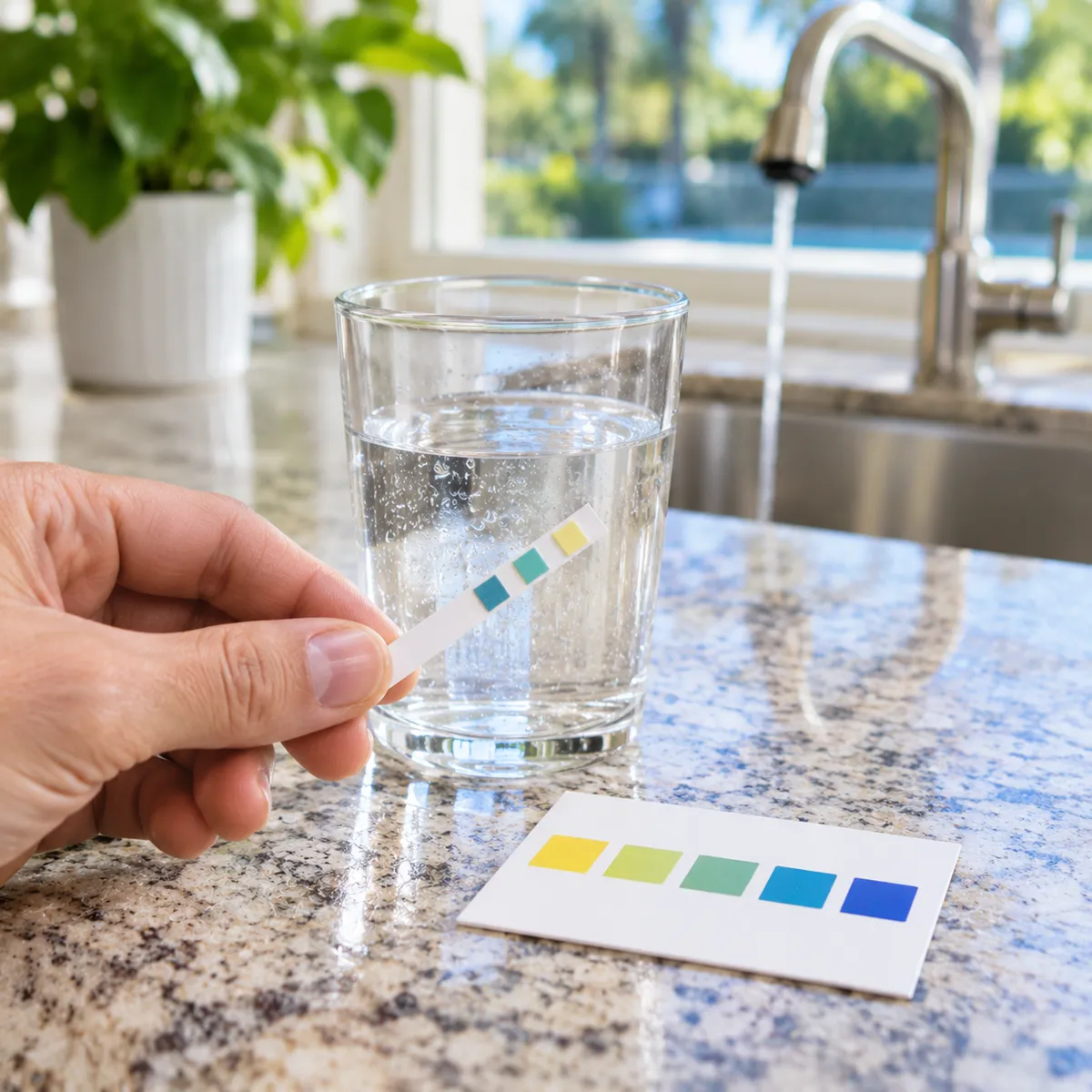
Before buying anything, though, it's worth knowing your actual number. Hardness varies a lot across Tampa Bay, and the right setup depends on it. Our at-home hardness testing guide shows a few simple ways to check.
Get your hardness number for free
Our free in-home water test checks your raw water for hardness, chlorine or chloramine, pH and dissolved minerals, so you know whether your water is behind those scratchy towels. If a softener makes sense, you can read about water softener installation or call or text us at (727) 334-0333 with any questions.
Frequently asked questions
Does hard water make towels stiff?
It can. Minerals in hard water react with soap and detergent and leave a film on fabric. That buildup can make towels feel stiff, absorb less and look gray over time.
Should I use more fabric softener on stiff towels?
Usually not. Extra fabric softener adds another coating to the fibers. Using the right amount of detergent and rewashing with a laundry water conditioner tends to help more.
How do I get grayed whites white again?
New Mexico State University's extension service suggests rewashing them in hot water with about 1 cup of a packaged laundry water softener, then rinsing again if the water stays sudsy. Check the care label first.
Is hard water bad for my health?
The U.S. Geological Survey says hardness is not a health concern. It's a nuisance that affects soap, laundry, fixtures and water heaters.
Sources
- Hardness of Water, U.S. Geological Survey
- Getting Clothes Clean (Guide C-503), New Mexico State University Cooperative Extension Service
We check local facts against official sources such as utility water quality reports and government notices. Spot something out of date? Text us at (727) 334-0333 and we'll fix it.