Water Tips
How to Descale a Coffee Maker and Kettle in a Hard Water Home
White flakes in the kettle and a slow coffee maker are signs of hard water scale. Here's how to descale both with vinegar or citric acid, how often to do it, and when to check your manual first.
Key takeaways
- Scale in kettles and coffee makers is calcium and magnesium left behind when hard water is heated.
- White vinegar or a citric acid solution dissolves most scale; always rinse well afterward.
- Follow your machine's manual first. Some makers specify their own descaler or warn against certain products.
- In hard water, descale more often. If you're descaling constantly, the water itself is the bigger fix.
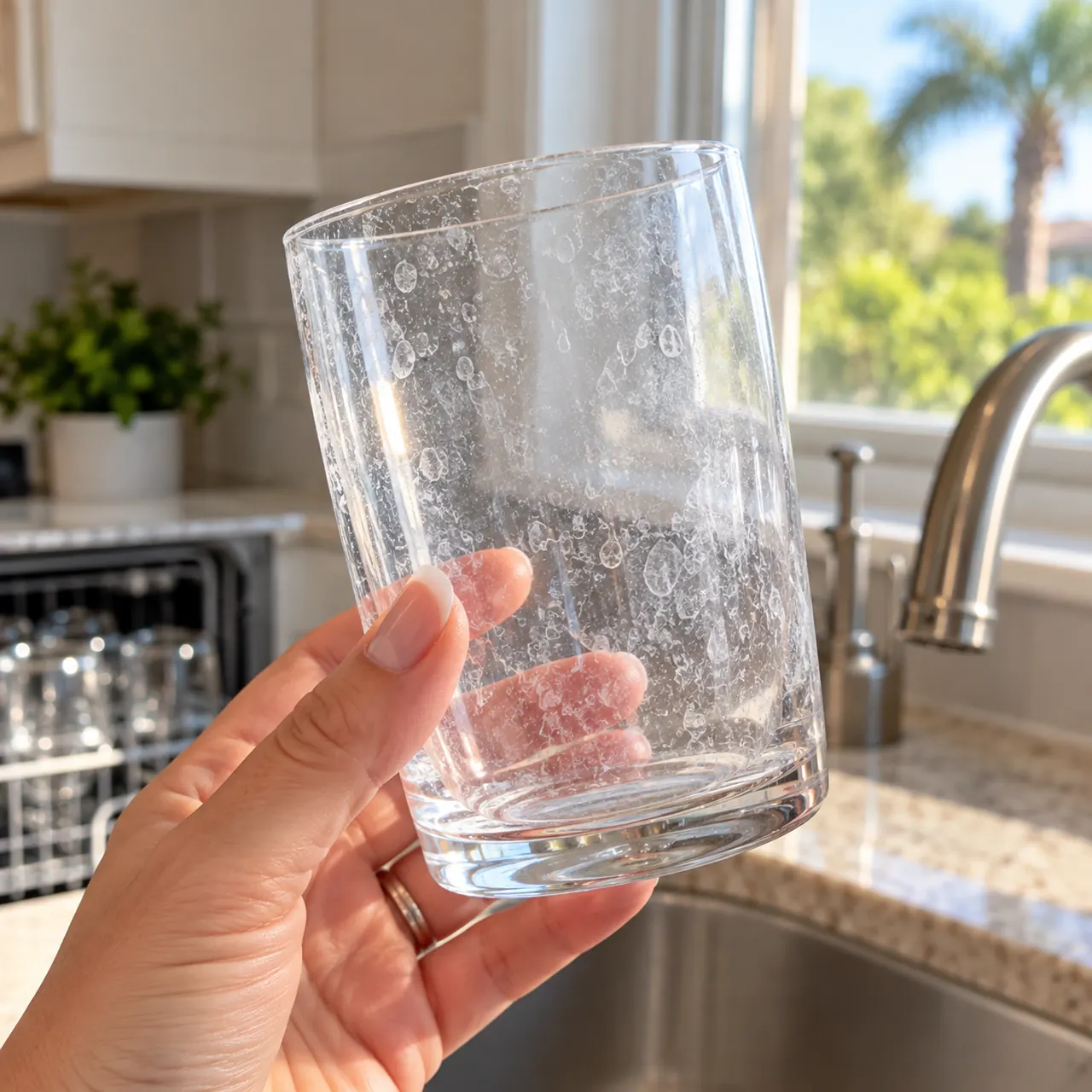
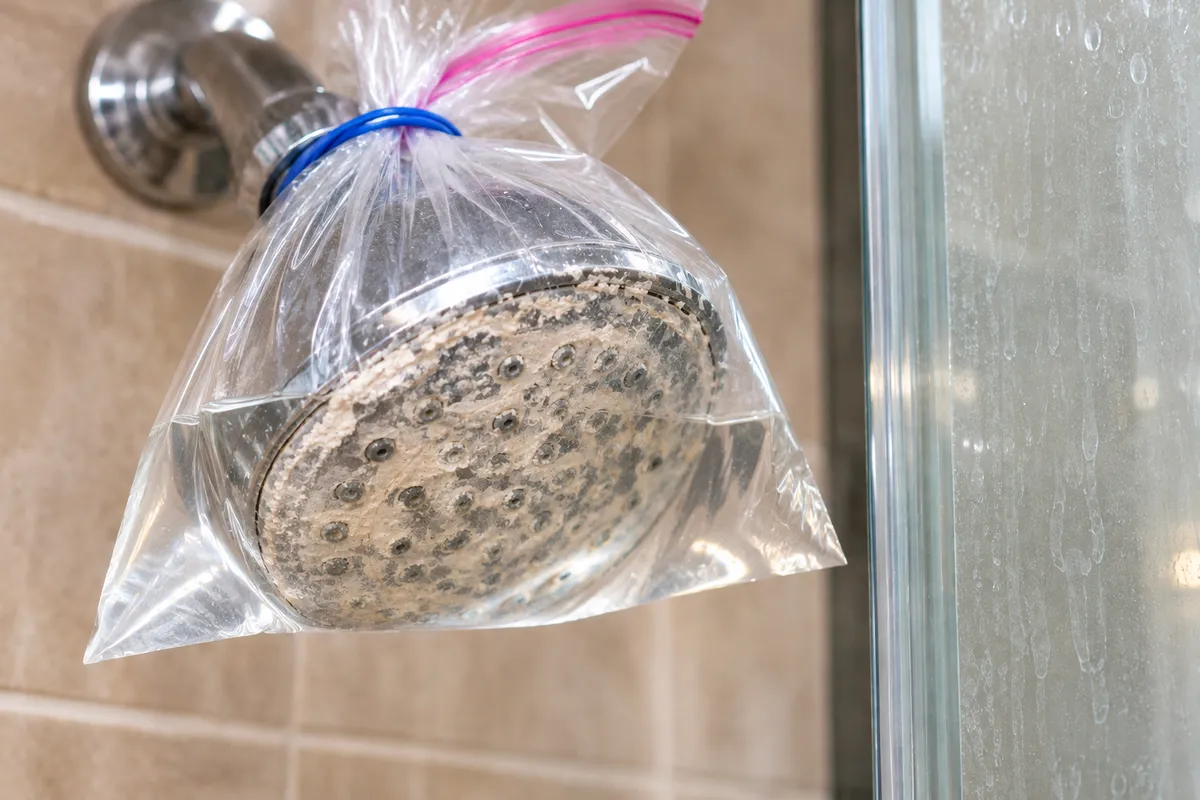
If your kettle has a crunchy white layer on the bottom or your coffee maker takes longer to brew, scale is the likely cause. Heating hard water pulls calcium and magnesium out of solution, and it sticks to hot surfaces. Here's how to clean it out.
First: check your manual
Manufacturers know their machines. Some recommend white vinegar, some recommend their own descaling solution, and some warn against certain products. Philips, for example, says its drip coffee makers can be descaled with a liquid descaler or white household vinegar, and advises against powder descalers or tablets for those models. Single-serve pod machines and espresso machines often have their own descale program. Follow what yours says.
How to descale a drip coffee maker
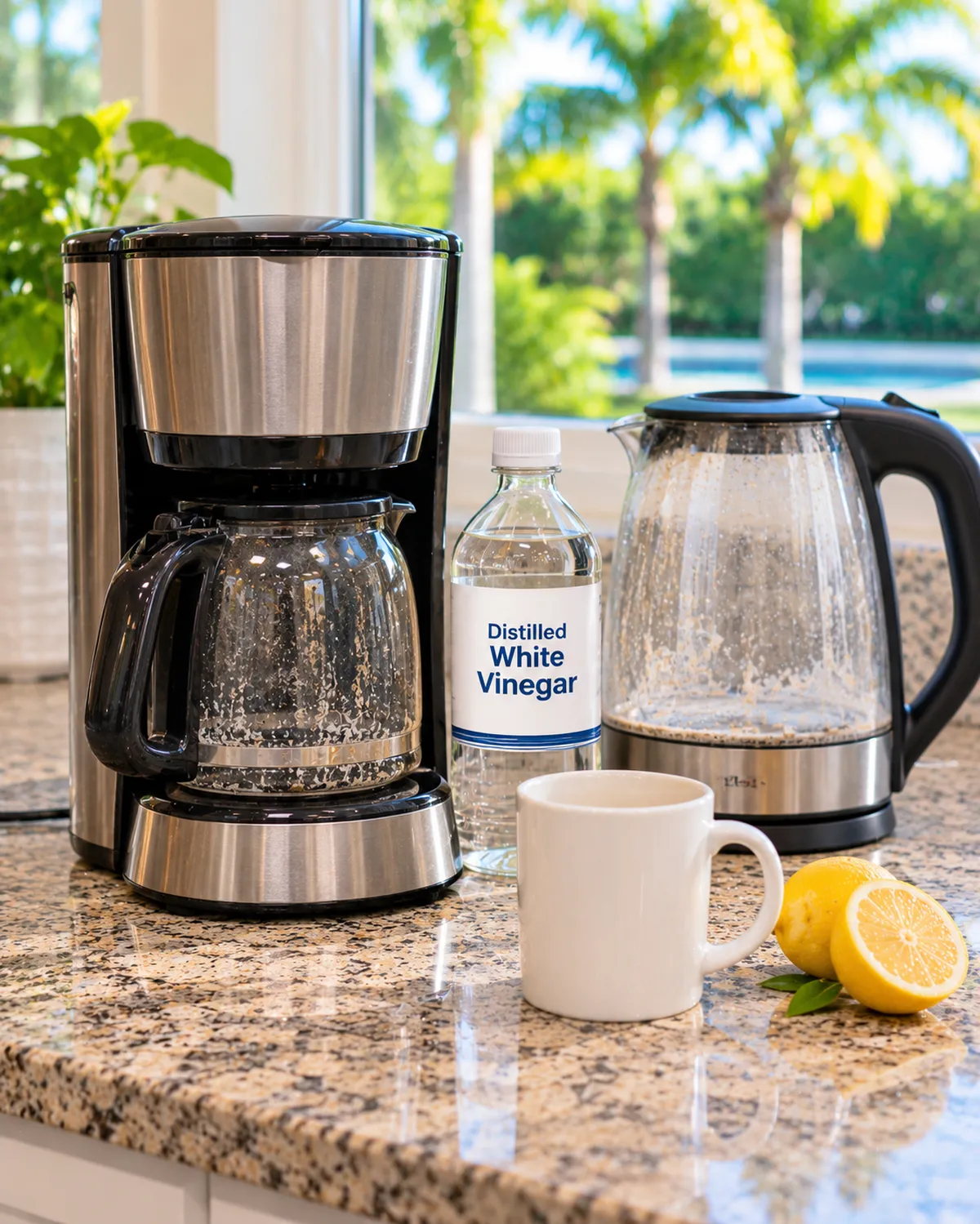
- Fill the water tank with white vinegar, or the vinegar-and-water mix your manual specifies.
- Put a paper filter in the basket and run a brew cycle.
- Let it cool, then repeat if your manual calls for it.
- Run at least two or three full cycles with fresh, cold water to rinse out the vinegar and loosened scale.
How to descale an electric kettle
- Fill the kettle partway with equal parts white vinegar and water, enough to cover the scale.
- Bring it to a boil, turn it off, and let it sit for 30 minutes to an hour.
- Pour it out, wipe the inside with a soft cloth, and rinse well.
- Boil a full kettle of fresh water and discard it to clear any vinegar taste.
Citric acid alternative: a couple of teaspoons of food-grade citric acid dissolved in water works similarly and leaves less smell. Use it the same way, following your appliance's guidance.
How often?
It depends on your water and how much you use the appliance. In hard water, many people descale monthly. Let your eyes and your machine's indicator light guide you. If you're descaling every couple of weeks, your water is doing a lot of the work against you. The City of Tampa's 2022 report listed average hardness of about 10.9 grains per gallon, which is very hard by the USGS scale.
Fixing it at the source
A water softener removes calcium and magnesium before water reaches your kitchen, which cuts scale in kettles, coffee makers, ice makers and the water heater. (Tankless owners, see tankless water heaters and hard water.) Want your real hardness number? Book a free in-home water test, or call or text (727) 334-0333 anytime.
Frequently asked questions
Can I descale a coffee maker with vinegar?
Many drip coffee makers can be descaled with white vinegar, but check your manual first. Some makers specify their own descaler. Rinse with several cycles of fresh water afterward.
What are the white flakes in my kettle?
Scale: calcium and magnesium from hard water that come out of solution when water is heated.
How often should I descale in hard water?
Many people descale monthly in hard water. Follow your appliance's indicator and manual.
Sources
- How to descale my Philips coffee maker, Philips Support
- Hardness of Water, U.S. Geological Survey
- 2022 Water Quality Report, City of Tampa Water Department
We check local facts against official sources such as utility water quality reports and government notices. Spot something out of date? Text us at (727) 334-0333 and we'll fix it.